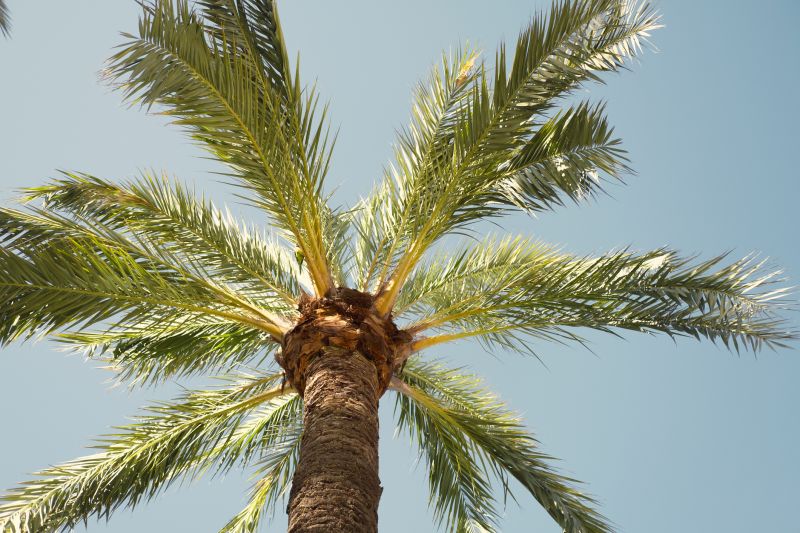
Palm Tree Removal in Reno, NV
Palm tree removal services involve the careful and efficient removal of palm trees that are dead, diseased, or pose a safety risk to a property. This process typically includes cutting down the tree, managing debris, and safely removing the stump if requested. Projects can range from removing a single problematic palm to clearing multiple trees for landscape redesigns or property development. Homeowners often want to understand the scope of work involved, the potential impact on their landscape, and any preparation needed before the removal process begins.
Property owners considering palm tree removal should be aware of factors such as the size and location of the tree, accessibility, and any potential hazards during the removal process. It is also helpful to know whether stump grinding or removal is included, as well as the disposal or recycling options for the removed material. Clarifying these details beforehand can ensure that the project proceeds smoothly and aligns with the property’s landscape goals.
Many property owners in Reno, NV look into Palm Tree Removal for repairs, replacements, upgrades, and appearance-related improvements.
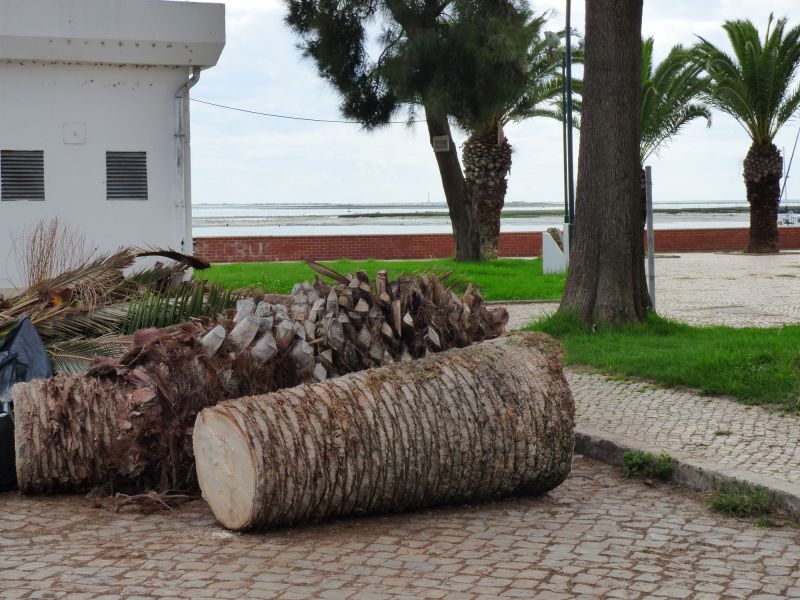
Reasons To Remove Palm Trees
Removing damaged or diseased palms can improve safety and prevent property damage.
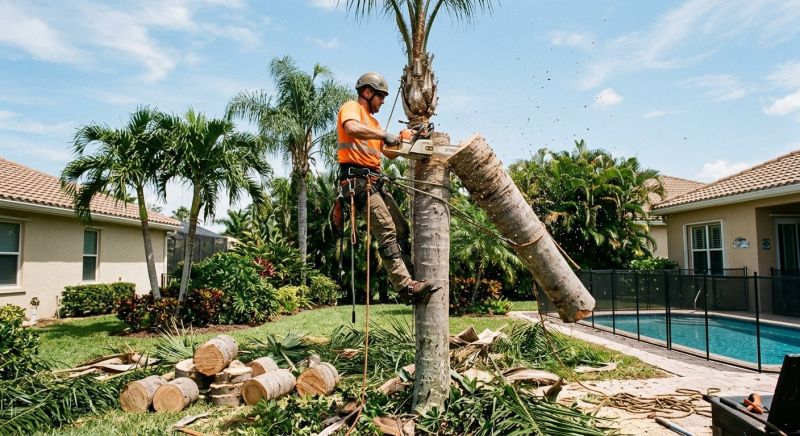
Safe Removal Techniques
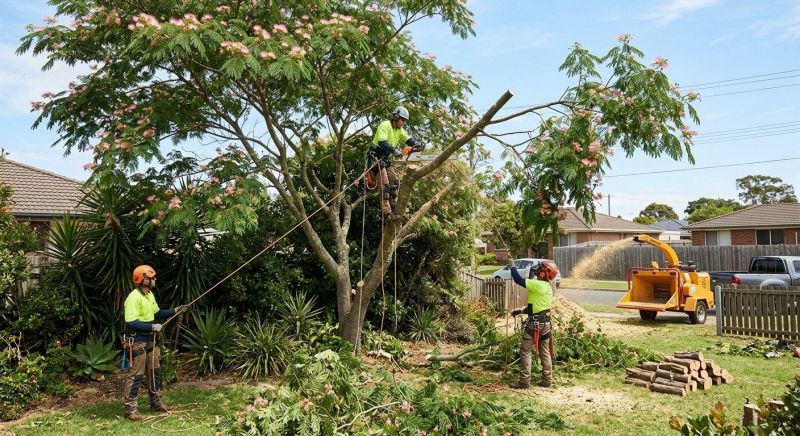
Proper equipment and methods ensure palm trees are removed efficiently and safely.
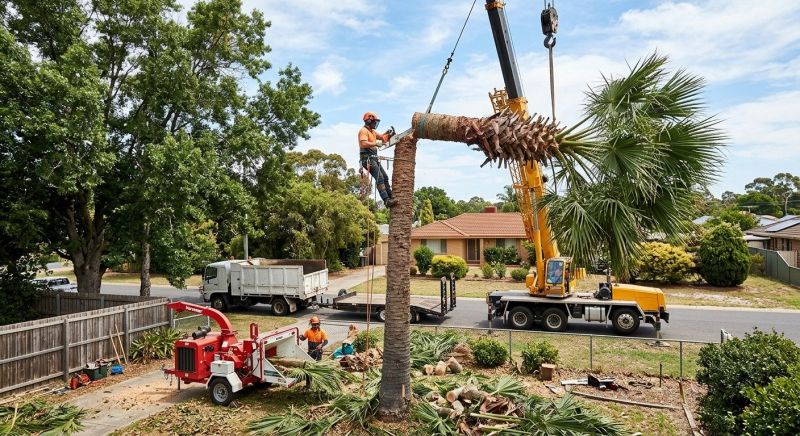
Post-Removal Cleanup
Clearing debris and stump grinding help restore the appearance and functionality of the landscape.
Palm Tree Removal in Reno, NV
Palm tree removal services involve the careful and efficient removal of palm trees that are dead, diseased, or pose a safety risk to a property. This process typically includes cutting down the tree, managing debris, and safely removing the stump if requested. Projects can range from removing a single problematic palm to clearing multiple trees for landscape redesigns or property development. Homeowners often want to understand the scope of work involved, the potential impact on their landscape, and any preparation needed before the removal process begins.
Property owners considering palm tree removal should be aware of factors such as the size and location of the tree, accessibility, and any potential hazards during the removal process. It is also helpful to know whether stump grinding or removal is included, as well as the disposal or recycling options for the removed material. Clarifying these details beforehand can ensure that the project proceeds smoothly and aligns with the property’s landscape goals.
Many property owners in Reno, NV look into Palm Tree Removal for repairs, replacements, upgrades, and appearance-related improvements.
Common Palm Tree Removal Jobs
Palm Tree Removal - Complete removal of unwanted palm trees to improve landscape safety and appearance.
Stump Grinding - Removal of remaining stumps to prevent regrowth and create a smooth yard surface.
Tree Trimming - Pruning dead or overgrown fronds to maintain palm health and aesthetics.
Emergency Palm Removal - Quick response for fallen or hazardous palms after storms or high winds.
Land Clearing - Removing multiple palms and debris for property expansion or renovation projects.
Selective Removal - Removing specific palms to enhance sunlight and airflow for other plants.
Palm Tree Removal Questions
When is palm tree removal necessary? Removal is recommended when a palm is diseased, damaged, or poses a safety risk due to falling fronds or instability.
What should property owners consider before removing a palm tree? It's important to evaluate the size, location, and potential impact on surrounding structures or landscaping.
Are there alternatives to complete palm tree removal? In some cases, trimming or pruning can manage health and safety, but removal may be needed for severely damaged or dead palms.
How does palm tree removal impact the landscape? Removal can improve safety, prevent property damage, and make space for new planting or construction projects.
Request Palm Tree Removal in Reno, NV
Use the quote form on this page to share the basics of your project and request more information for the type of work you need.